When clients are planning balloon décor, one of the most common questions they ask is: “What’s the difference between latex balloons and foil balloons?”
It is a good question because the type of balloon you choose affects the look, cost, longevity, design options, and even where the balloons should be placed.
The simple answer is this: latex balloons are made from natural rubber latex, while foil balloons are made from a metallic-looking material often referred to as Mylar. Latex balloons are flexible, budget-friendly, and often used to create arches, columns, garlands, and large balloon installations. Foil balloons usually cost more, but they are ideal for numbers, letters, themed shapes, characters, specialty designs, and certain long-lasting indoor displays.
In many cases, the best balloon designs use both.
What Are Latex Balloons?
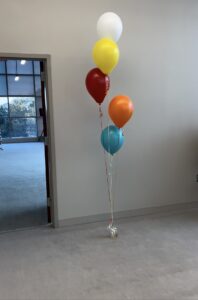
Latex balloons are often used for classic helium bouquets, arches, columns, garlands, and other party décor.
Latex balloons are made from natural rubber latex. They are the traditional balloons most people think of when they picture a classic party balloon.
Latex balloons are extremely versatile and can be used for balloon arches, columns, organic garlands, balloon walls, centerpieces, helium bouquets, ceiling décor, sculptures, and large-scale event installations.
One of the biggest advantages of latex balloons is that they create fullness and volume. If you want a lush, colorful, organic, or large balloon design, latex balloons are usually the foundation.
Latex balloons also come in many colors, sizes, finishes, and textures. They can feel playful, elegant, bold, modern, soft, corporate, or themed depending on how they are designed.
What Are Foil Balloons?
Foil balloons, often called Mylar balloons, are made from a shiny, non-biodegradable material. They are commonly used for numbers, letters, themed shapes, stars, hearts, characters, logos, and specialty accents.
Foil balloons are helpful when the design needs to communicate something specific. For example, they work well for birthday numbers, anniversary numbers, graduation years, letter balloons, corporate accents, themed parties, milestone celebrations, and indoor long-term displays.
Foil balloons can instantly tell the story of the event. A latex balloon garland may provide the fullness and color, but a foil “50,” “Congrats,” or themed shape makes the purpose of the celebration immediately clear.
Latex Balloons Create Fullness and Structure
Latex balloons are usually the best choice when the design needs size, structure, texture, and impact.
If a client wants a balloon arch, organic garland, balloon column, or backdrop installation, latex balloons are typically the main material. They allow us to build dimension and shape in a way that foil balloons cannot always do on their own.
If you are comparing latex balloon arches, garlands, or columns, it also helps to understand how much a balloon arch costs and why the style, size, location, and design level all affect the final price.
Latex is also often the more budget-friendly option. If a client wants a larger installation but has a specific budget range, latex balloons usually allow us to create more visual impact for the investment.
That does not mean latex balloons are “less than” foil balloons. They simply serve a different purpose. Latex balloons are often the foundation. They create the color story, scale, softness, and fullness of the design.
Foil Balloons Add Theme, Shine, and Messaging
Foil balloons are ideal when the client wants the design to say something specific.
For birthdays, anniversaries, graduations, grand openings, corporate celebrations, and milestone events, number and letter balloons are a simple way to make the design feel more custom.
Foil balloons also come in themed shapes, which makes them useful for children’s parties, baby showers, school events, branded activations, and themed celebrations.
For business events, foil accents and branded balloon pieces can also support custom balloon décor for corporate branding, especially when the goal is to create a photo-worthy focal point, highlight brand colors, or make the event space feel more intentional.
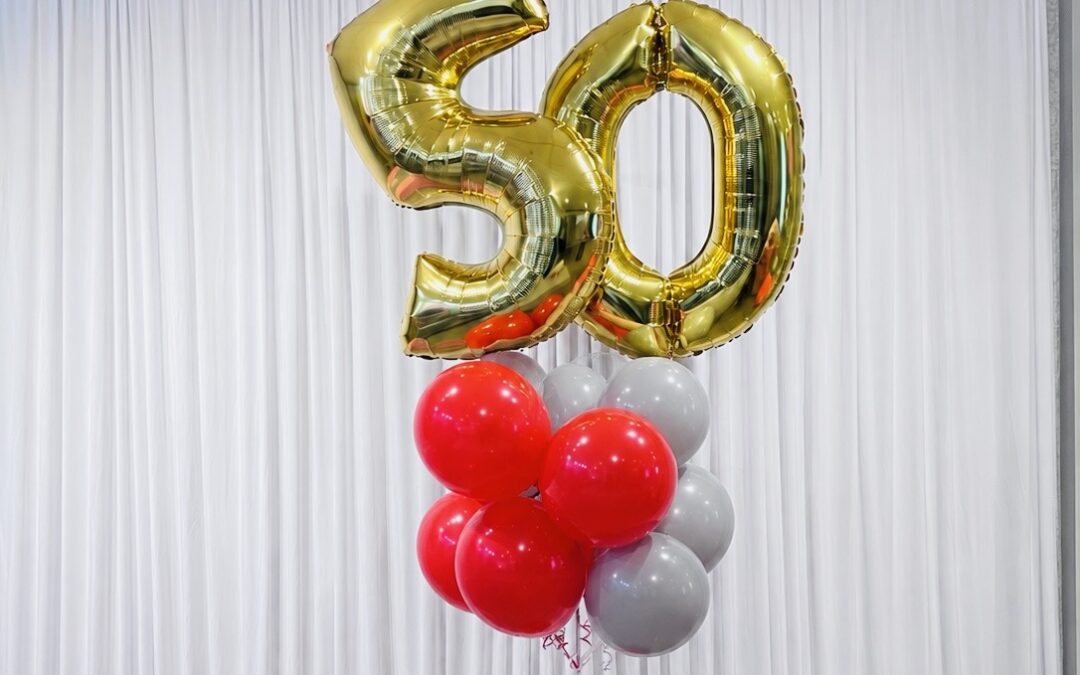
For example, a birthday helium bouquet with gold “50” foil balloons immediately tells guests what milestone is being celebrated. The latex balloons in the bouquet add fullness, color, and height, while the foil balloons provide the message and main visual focus.
The Look: Matte Versus Shiny
One of the biggest visual differences between latex and foil balloons is the finish.
Latex balloons often start with a glossy finish, but they can lose their shine over time because of oxidation. This is normal. Latex balloons may eventually look more matte or chalky, especially when exposed to air, humidity, heat, sunlight, or outdoor conditions.
A shine product can sometimes be used to help latex balloons keep a glossy look longer, but it is not the right choice for every installation.
For example, I do not recommend shine products for certain helium balloon bouquets or high-traffic areas where product could transfer to the floor and create a slipping hazard. A professional decorator has to think beyond appearance. We also have to consider safety, placement, guest traffic, and the environment where the balloons will be displayed.
Foil balloons naturally have a shiny, reflective finish. They add sparkle, polish, and a more structured look to the overall design.
Which Balloons Last Longer?
In many indoor situations, foil balloons tend to last longer than latex balloons.
Air-filled foil balloon arches and columns, for example, can have a longer lifespan than latex versions when installed indoors in a stable, climate-controlled space. These types of installations can work well for corporate events, conventions, expos, car dealership showrooms, retail displays, and longer-standing indoor promotions.
Latex balloons can also last well indoors, especially when they are air-filled and used in arches, columns, or organic garlands. However, latex is more likely to be affected by oxidation, air quality, temperature changes, handling, and placement.
For helium balloons, the lifespan depends on whether the balloon is latex or foil. Latex helium balloons usually do not float as long as foil helium balloons, although latex balloons can be specially treated to help extend float time.
Balloon longevity depends on several factors, including:
- Balloon type
- Indoor versus outdoor placement
- Temperature
- Sun exposure
- Airflow
- Handling
- Whether the balloons are helium-filled or air-filled
- Whether any longevity treatment is used
There is no one-size-fits-all answer, which is why the event conditions matter.
Not All Balloon Décor Uses Helium
One of the biggest misconceptions clients have is that all balloons are helium-filled.
They are not.
Many professional balloon designs are air-filled. Balloon arches, columns, organic garlands, marquee bouquets, balloon walls, centerpieces, and many backdrop designs do not require helium at all.
This is important because air-filled décor often lasts longer than helium-filled latex balloons and gives the decorator more control over the structure, shape, and design.
Helium balloons float. Air-filled balloons do not. Both have a place, but they are not used the same way.
Latex Versus Foil Balloons Outdoors
Outdoor balloon décor requires extra care, and both latex and foil balloons have challenges outside.
Latex balloons can oxidize quickly outdoors, especially in heat, humidity, wind, or direct sunlight. They may lose their shine and become matte or chalky. Dark latex balloons can also absorb more heat, which increases the risk of popping.
Foil balloons are also very sensitive outdoors.
When it is hot outside, foil balloons expand. This can make them difficult to inflate properly because the balloon needs room to expand as the temperature rises. If a foil balloon expands too much, it can pop.
When it is cold outside, foil balloons contract. This can make them look droopy, soft, or underinflated, even when the balloon itself is not damaged.
For outdoor events, foil balloons should not be placed in direct sun whenever possible. Shade, coverage, and placement matter.
If a client wants foil numbers, letters, or themed shapes outside for a graduation, birthday, or corporate event, I recommend placing them in a shaded or covered area and understanding that outdoor balloon décor is always less predictable than indoor décor.
Cost Difference Between Latex and Foil Balloons
Foil balloons usually cost more than latex balloons.
That is because foil balloons are often specialty items. They may include numbers, letters, themed shapes, custom designs, or large statement pieces. They are also packaged and priced differently than standard latex balloons.
If a client wants to stay within a desired budget range, a great option is to mix latex and foil balloons.
Latex can provide the fullness, color, and structure. Foil can provide the message, theme, and focal point.
If you are not sure what to spend, understanding your balloon décor budget can help your decorator recommend the right mix of latex, foil, size, specialty accents, delivery, installation, and design details.
This combination helps create a more elevated design without making the entire installation more expensive than necessary.
Why Mixing Latex and Foil Balloons Often Works Best

Mixing latex and foil balloons helps create fullness, messaging, theme, and visual impact in one design.
In many designs, latex and foil balloons work beautifully together.
A birthday helium balloon bouquet is a great example. The latex balloons create the fullness, color coordination, and volume. The foil number balloons create the milestone moment.
For a 50th birthday bouquet, gold foil “50” balloons can become the main visual focus, while red and silver latex balloons add color, height, and fullness. The foil tells guests what is being celebrated. The latex makes the arrangement feel complete.
This is why mixing latex and foil works so well for milestone birthday balloon décor, where the latex adds fullness and the foil numbers make the celebration instantly clear.
I also use this approach in marquee bouquets and custom balloon arrangements. Mixing latex and foil helps balance budget, theme, longevity, and visual impact.
Most clients do not need to choose one or the other. They need the right combination for the event.
Environmental Responsibility With Latex and Foil Balloons
When it comes to environmental responsibility, all balloons should be handled and disposed of properly.
Latex balloons are made from natural rubber latex and are considered biodegradable. However, biodegradable does not mean balloons should be released into the air, left outside, or allowed to become litter. Latex balloons still need to be popped, collected, and disposed of responsibly after the event.
Foil balloons are not biodegradable. Because of that, they should never be released outdoors. Foil balloons can also conduct electricity if they come into contact with power lines, so they need to be weighted, secured, and handled carefully.
I do not recommend balloon releases. A balloon release may look beautiful for a few moments, but once the balloons leave your hands, you have no control over where they land. That can create litter and potential harm for wildlife, waterways, farms, neighborhoods, and power lines.
A responsible approach includes:
- Do not release balloons outdoors
- Keep balloons secured during the event
- Use weights when needed
- Pop and bag latex balloons after use
- Deflate and reuse foil balloons when possible
- Dispose of balloon pieces properly
- Keep balloons away from waterways, animals, and power lines
Balloons can be used beautifully and responsibly. The key is making thoughtful choices before, during, and after the event.
How to Choose Between Latex and Foil Balloons
When a client is unsure whether they need latex balloons, foil balloons, or a mix of both, I help them decide based on a few key factors:
- Budget
- Theme
- Event location
- How long the balloons need to last
- Whether the event is indoors or outdoors
If the client wants a large, full design and needs to stay within a certain budget, latex may be the best foundation.
If the client wants numbers, letters, themed shapes, or a design that clearly communicates the occasion, foil balloons may be the right accent.
If the event is indoors and longevity is a priority, air-filled foil installations may be worth considering.
If the event is outdoors, placement and weather become major factors, especially with foil balloons and dark latex balloons.
The best solution is usually not choosing latex or foil. It is choosing the right mix.
Final Thoughts
Latex and foil balloons are both valuable, but they are not the same.
Latex balloons are flexible, budget-friendly, and ideal for creating fullness, structure, and organic designs. Foil balloons cost more, but they add shine, theme, messaging, and often a longer lifespan in indoor settings.
Latex is often the foundation. Foil is often the feature.
When used together, they can create balloon décor that feels more complete, intentional, and customized to the event.
The best choice depends on your budget, theme, event location, and how long you need the balloons to last. A professional balloon decorator can help you choose the right combination so your balloon décor looks beautiful, fits the occasion, and makes sense for the space.